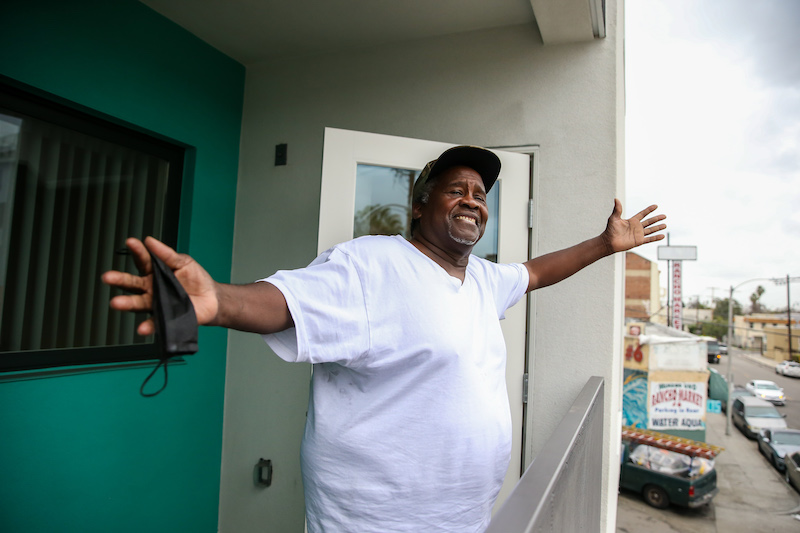
Empowering Black People Experiencing Homelessness: The Value of Lived Experience in the Workforce
Black Angelenos face systemic barriers to housing and stability. From discriminatory policies to implicit bias, these challenges deepen inequities in homelessness. Centering lived experience in workforce development offers pathways to equity, dignity, and meaningful change.
Black people experiencing homelessness face unique and systemic barriers to finding safe and stable living situations. From discriminatory housing policies to implicit biases in hiring practices, the complexities of these issues continue to challenge policymakers and communities across Southern California. While there is no single solution to such deep and systemic issues, the first step lies in recognizing the power of lived experience and leveraging it to create sustainable workforce opportunities.
Lived experience refers to the firsthand knowledge gained from personally enduring a challenging situation. For Black people who have lived unhoused in Los Angeles, this form of expertise can be used to reshape how services for people experiencing homelessness operate. By hiring these individuals, as well as those from other historically marginalized groups, anti-homelessness organizations can draw upon authentic perspectives to foster more empathetic, culturally competent, and ultimately effective approaches to ending this crisis.
The Intersection of Race and Housing Insecurity
Black people are disproportionately impacted by housing insecurity and homelessness. Despite making up just 13 percent of the U.S. population, they represent nearly 40 percent of unhoused individuals. Systemic racism, mass incarceration, and generational poverty are some of the main drivers. Addressing them requires not only focusing on housing but also equitable employment opportunities. Employment is not just about putting money in someone’s pockets—it offers dignity, purpose, and a sense of belonging. Workforce development initiatives tailored to Black individuals with lived experience do this, creating pathways for systemic change when those with lived experience enter the very sectors tasked with serving unhoused populations.
The Value of Lived Experience
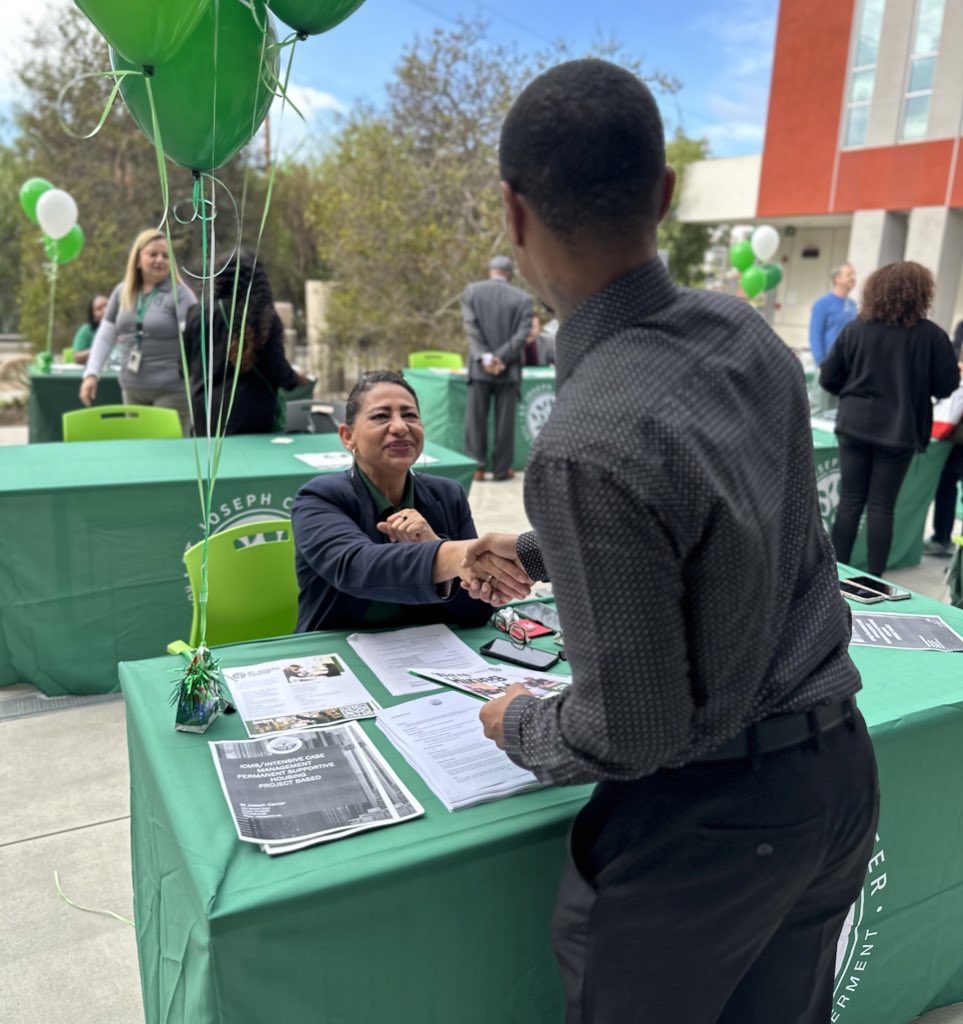
When Black individuals who have faced housing insecurity enter the workforce, particularly in services for people experiencing homelessness, they apply their authentic understanding to achieve better outcomes—advocating for trauma-informed, culturally sensitive approaches, which are too often absent on the ground. This is particularly impactful in Black communities, where shared cultural knowledge helps bridge trust gaps between providers and individuals seeking services.
Lived experience allows for the design and implementation of programs that genuinely meet the needs of those they aim to serve. People who have experienced homelessness understand the nuances of navigating services, as well as the psychological toll of displacement and marginalization. These insights can guide policy changes, enhance service delivery, and lead to more people moving into stable housing.
Rebuilding with Dignity
Black people who have experienced homelessness are not just survivors; they are change agents. When we invest in their professional development and integrate them into the workforce, it is about more than just getting them jobs. We are creating a pipeline of leaders whose expertise will drive initiatives that are more equitable and responsive—especially for Black communities.
When we honor lived experience and break down employment barriers, we begin to reverse the exclusionary cycles that have disproportionately plagued Black communities. Workforce inclusion of those impacted by housing insecurity and homelessness is not just a matter of equity—it is an investment in more effective, compassionate, and community-driven solutions.
Note from the author:
To continue exploring the topic of this post, we encourage you to read our paper titled “Workforce Re-Entry Barriers for Black Angelenos with Lived-Experience of Homelessness.” In this comprehensive study, written in partnership with USC’s Homelessness Policy Research Institute (HPRI), we delve deeper into the systemic issues and innovative solutions that center lived expertise in creating equitable opportunities for Black individuals experiencing homelessness.