563 Reasons to Care: Amirah’s Story
As St. Joseph Center celebrates 50 years of impact, we are proud to highlight Amirah Muhammad’s leadership and initiative as she turns a simple idea into meaningful action in her community.
“This was Amirah’s first assignment as our intern at The Pocket Panty, and we’re really proud of the initiative she took and her drive to complete the task,” said Ashlee L. Turner, Founder and CEO of The Pocket Panty and The Pocket Panty Project.
Founded by Turner, The Pocket Panty provides a discreet and portable packet that includes clean, sealed underwear for moments of emergency need. It was created as a simple but meaningful response to what is commonly known as period poverty, the lack of consistent access to safe, affordable menstrual products. What began as a practical solution grew into The Pocket Panty Project, a nonprofit initiative focused on menstrual equity through education, access, and advocacy.

Together, both parts of the organization reflect the same mission: restoring dignity and ensuring that no woman or girl goes without the basics she deserves.
A Small Idea with Big Impact
“It felt amazing to see how many people wanted to help,” Amirah said, describing classmates, families, and community members dropping off products throughout the day. “It made me realize that small things really do matter.”
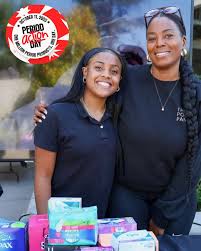
What began as a student assignment quickly became a lesson in leadership that inspired others to step up, join in, and give back.
Amirah’s project started with her desire to take action on Period Action Day, a movement she had recently learned about and felt personally connected to. With guidance from her mentor, she led a community drive collecting pads, tampons, and other essential menstrual care products for women and girls served through St. Joseph Center. Her compassion turned an assignment into empowerment.
“My whole basketball team showed up with handfuls of products and said, ‘We got you,’” she said. “Then, even more people started joining in. That moment made me realize how powerful community and teamwork can be.”
She was also surprised by how many adults wanted to get involved. “Some even shared their own stories and told me why this work matters,” she said. Hearing adults talk about times they did not have products, or how hard it was to afford them, made her understand the issue on a deeper level. “Hearing those experiences made me realize how important it really is.”
Why Access Matters
Amirah’s project shines a light on something many of us rarely stop to think about. When someone does not have stable housing or is simply doing their best to make ends meet, basic hygiene becomes about more than cleanliness. It is about control, confidence, and self-respect. Being able to care for yourself restores dignity when life feels uncertain.
Menstrual care is also a matter of health and safety. Without reliable access, people often turn to makeshift alternatives like cloth or paper, which can cause infections or long-term complications. Lack of access can also mean missing work, skipping school, or stepping back from community life out of discomfort or shame. Drives like Amirah’s help break that cycle by restoring both dignity and opportunity.
Changing the Conversation
Periods are often treated as private, but when you are choosing between groceries and hygiene products, privacy and access can both feel out of reach. Efforts like The Pocket Panty Project help change that conversation. They replace shame with understanding and turn compassion into action.
It also showed Amirah how empathy can grow into advocacy and how one small act can spark a larger conversation.
A Youth Leader’s Ripple Effect
Amirah’s effort showed how young people can lead real change. Her drive was rooted in fairness and care, not charity, and it reminded her that small actions can have a big impact.
“You do not have to wait to make a difference,” Amirah said. “Even small actions can mean a lot, and when we come together, we can create real change.”
For Amirah, the experience became a lesson in empathy. “Helping others does not just make a difference for them,” she said. “It changes you, too, by making you more aware and grateful.”
Access to menstrual care is not a luxury. It is equity in action.
Thank you, Amirah, for showing how empathy and initiative create real change and for reminding us that dignity begins with access and care.
Stories like Amirah’s remind us why this work matters.
Note: This post has been edited for length, clarity, and narrative flow.