
Empowering Black People Experiencing Homelessness: The Value of Lived Experience in the Workforce
Black Angelenos face systemic barriers to housing and stability. From discriminatory policies to implicit bias, these challenges deepen inequities in homelessness. Centering lived experience in workforce development offers pathways to equity, dignity, and meaningful change.
The Intersection of Race and Housing Insecurity
Black people are disproportionately impacted by housing insecurity and homelessness. Despite making up just 13 percent of the U.S. population, they represent nearly 40 percent of unhoused individuals. Systemic racism, mass incarceration, and generational poverty are some of the main drivers. Addressing them requires not only focusing on housing but also equitable employment opportunities. Employment is not just about putting money in someone’s pockets—it offers dignity, purpose, and a sense of belonging. Workforce development initiatives tailored to Black individuals with lived experience do this, creating pathways for systemic change when those with lived experience enter the very sectors tasked with serving unhoused populations.The Value of Lived Experience
Rebuilding with Dignity
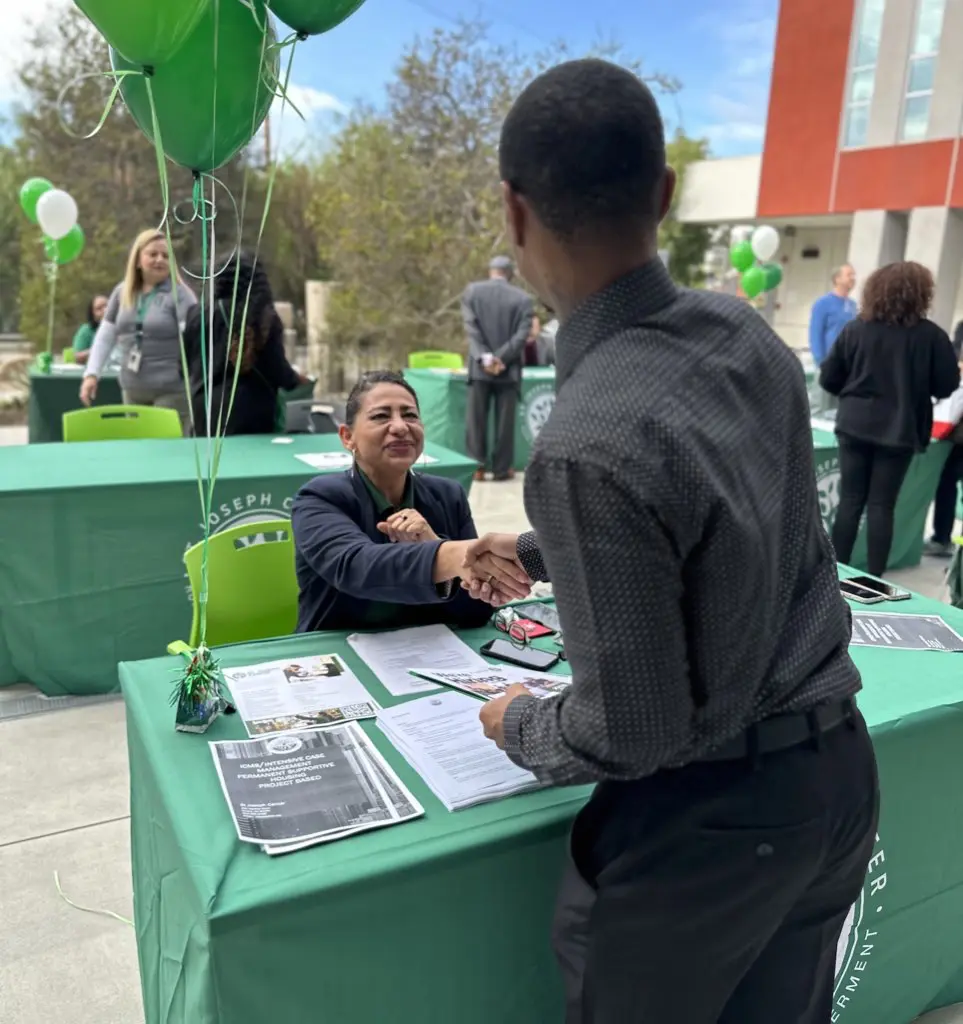
Black people who have experienced homelessness are not just survivors; they are change agents. When we invest in their professional development and integrate them into the workforce, it is about more than just getting them jobs. We are creating a pipeline of leaders whose expertise will drive initiatives that are more equitable and responsive—especially for Black communities. When we honor lived experience and break down employment barriers, we begin to reverse the exclusionary cycles that have disproportionately plagued Black communities. Workforce inclusion of those impacted by housing insecurity and homelessness is not just a matter of equity—it is an investment in more effective, compassionate, and community-driven solutions. Note from the author: To continue exploring the topic of this post, we encourage you to read our paper titled “Workforce Re-Entry Barriers for Black Angelenos with Lived-Experience of Homelessness.” In this comprehensive study, written in partnership with USC’s Homelessness Policy Research Institute (HPRI), we delve deeper into the systemic issues and innovative solutions that center lived expertise in creating equitable opportunities for Black individuals experiencing homelessness.Related Posts
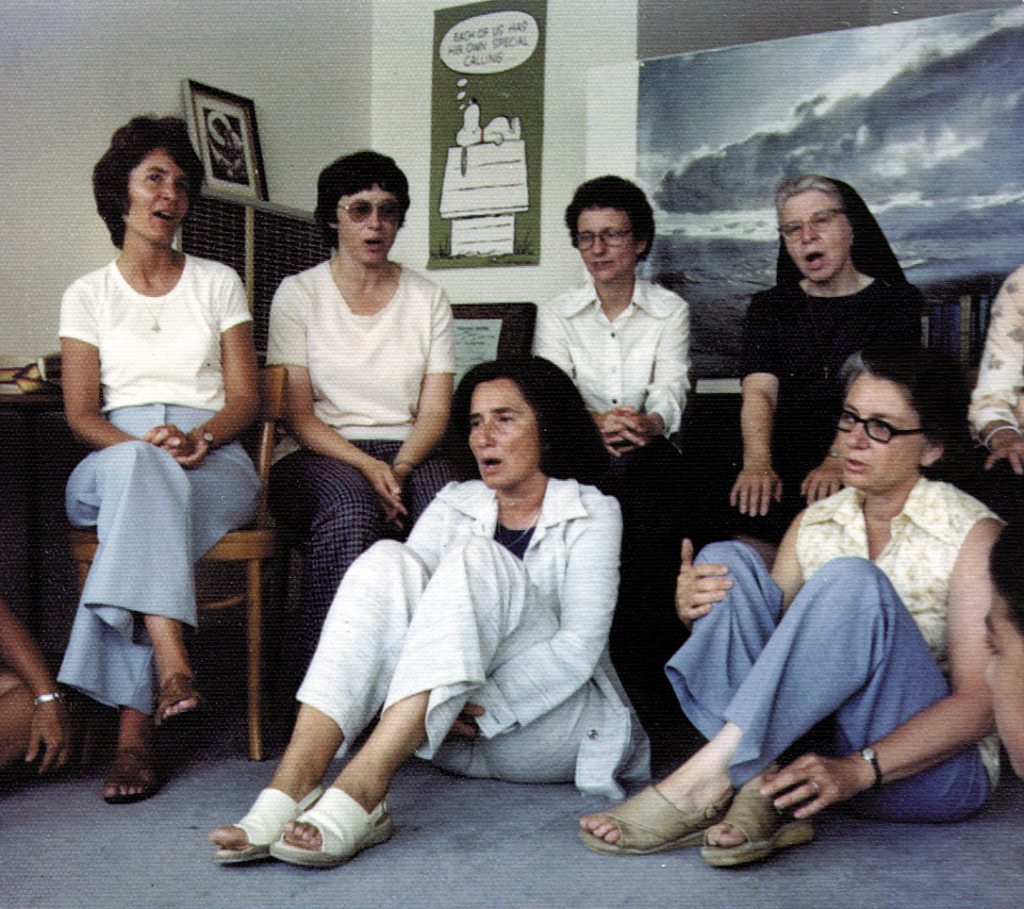
As St. Joseph Center celebrates 50 years of service, we look back to the women whose faith, courage, and commitment to the “dear neighbor” helped shape Los Angeles and laid the foundation for the work we continue today.
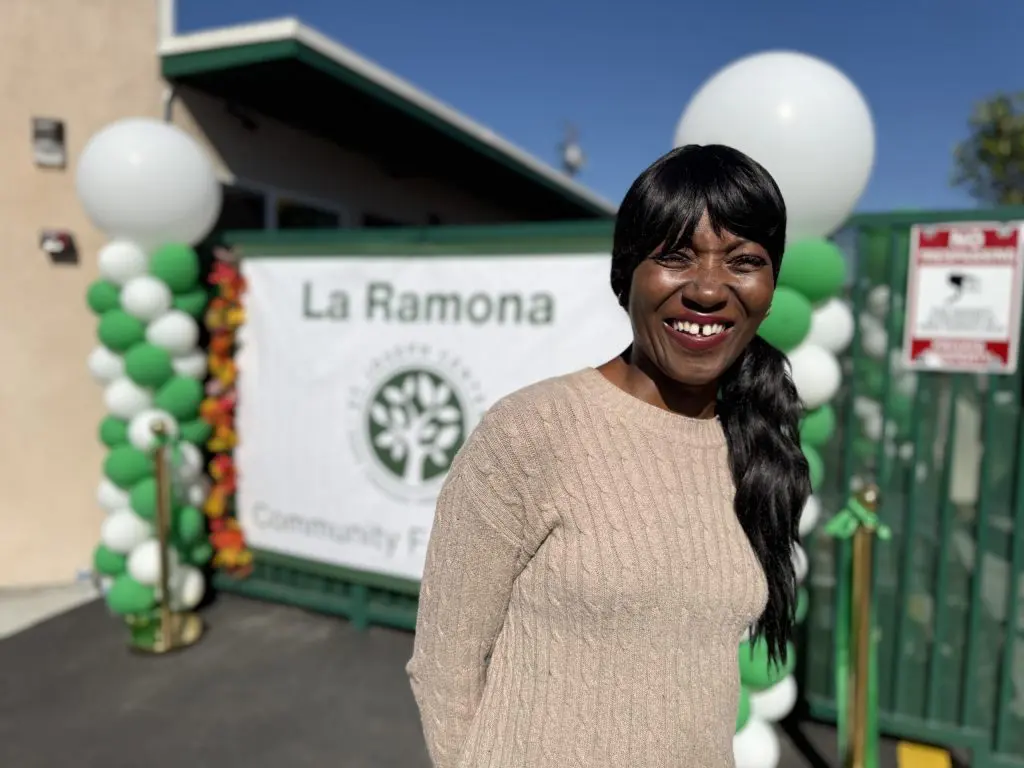
From Hardship to Hope: How Support and Opportunity Helped Cheraya Rebuild Her Life
After experiencing homelessness and living in her car with her young son, Cheraya found the support she needed to rebuild her life. Through St. Joseph Center’s La Ramona Family Housing and Bread & Roses Training Kitchen, she discovered stability, opportunity, and a path toward a stronger future for her family.
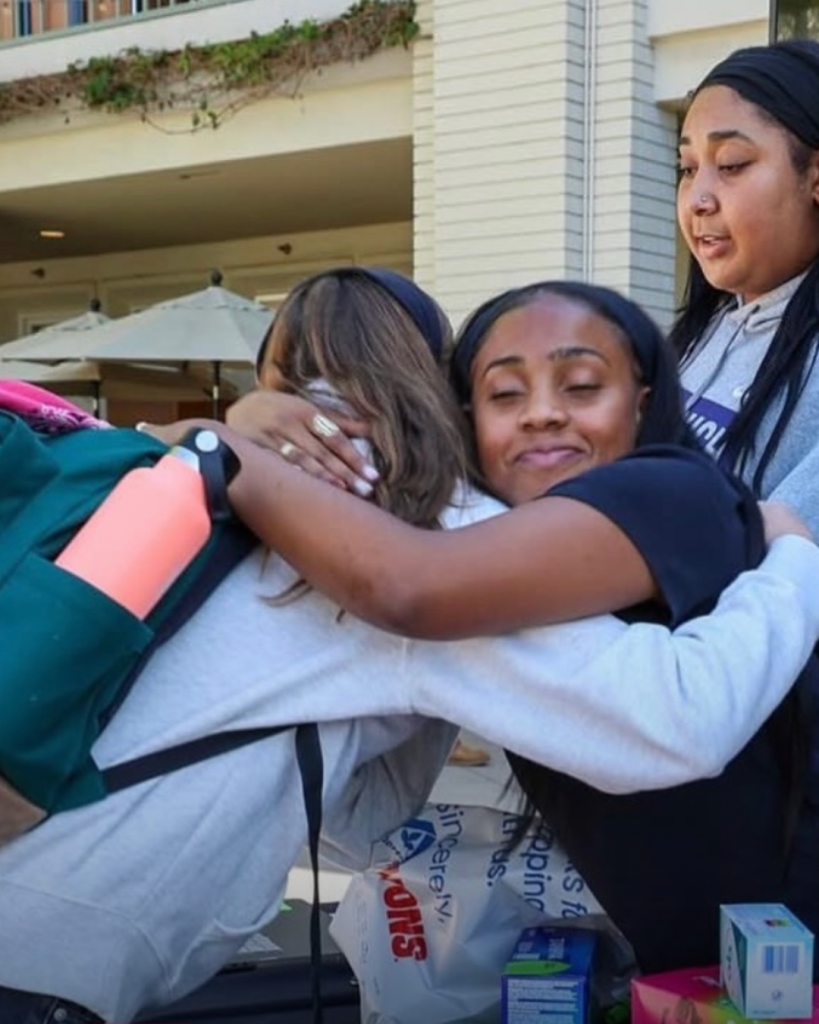
As a high school student and youth volunteer, Amirah interned with The Pocket Panty Project and helped lead a community drive that collected 563 menstrual care products for women and girls in need. Her initiative reminds us that dignity begins with access and that compassion can start at any age.