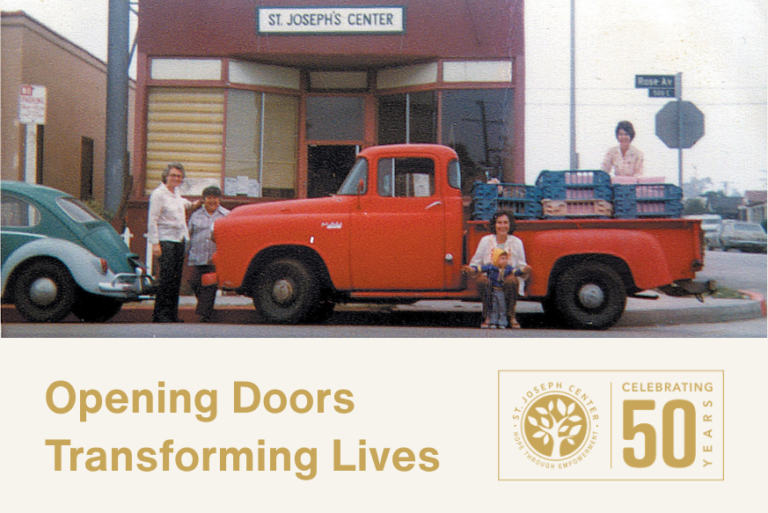

Workforce Re-Entry Barriers for Black Angelenos with Lived-Experience of Homelessness
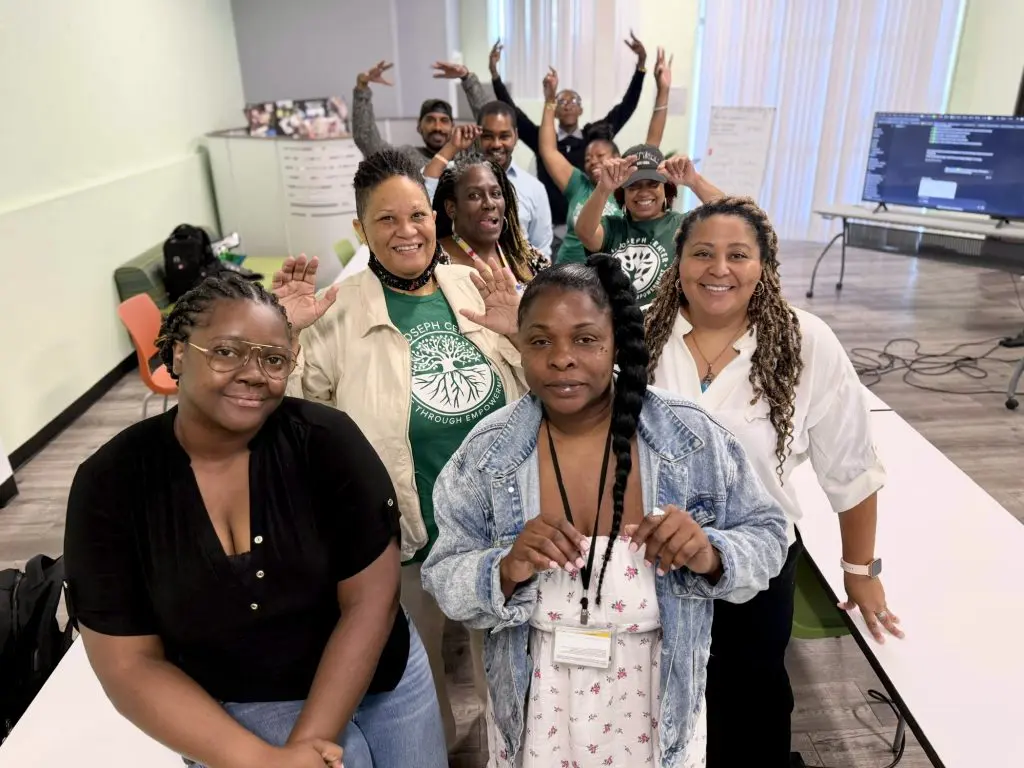
Black Angelenos with lived experience face unique barriers to workforce re-entry. In partnership with USC’s Homelessness Policy Research Institute, St. Joseph Center’s Lived-Expert Advisory Board explores systemic challenges and solutions for equitable career pathways.
Related Posts
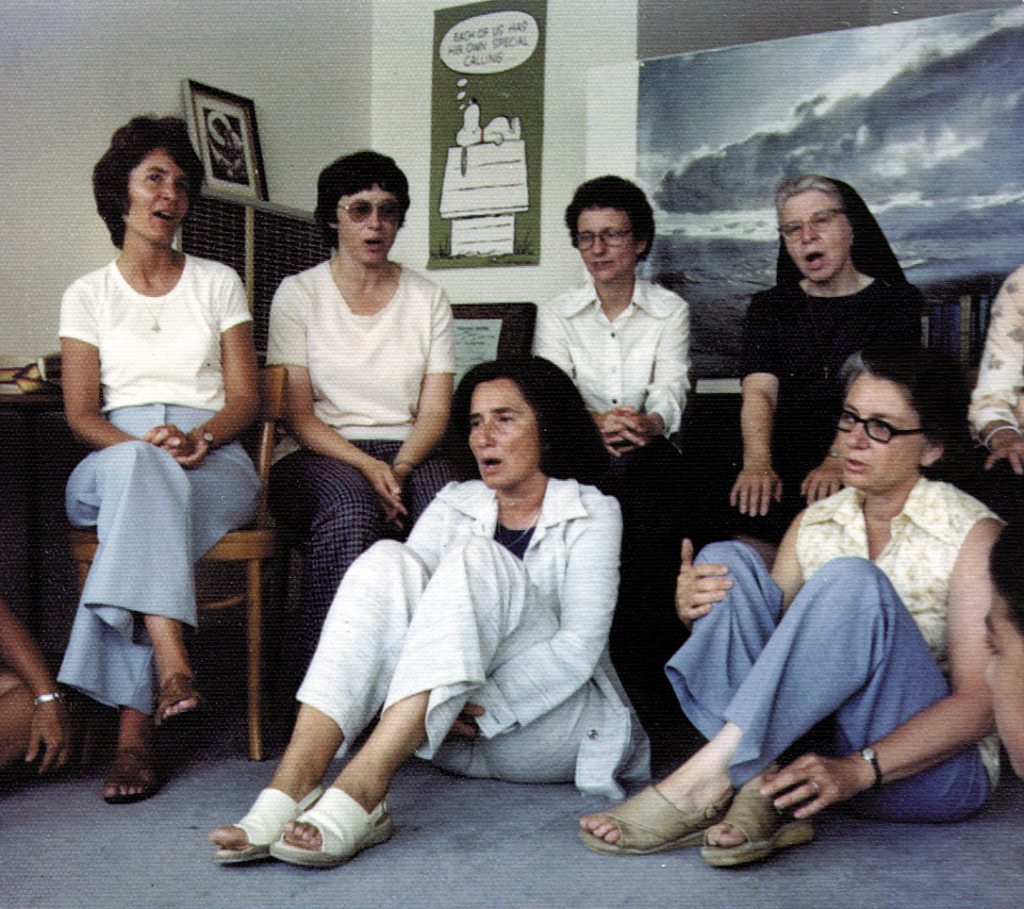
As St. Joseph Center celebrates 50 years of service, we look back to the women whose faith, courage, and commitment to the “dear neighbor” helped shape Los Angeles and laid the foundation for the work we continue today.
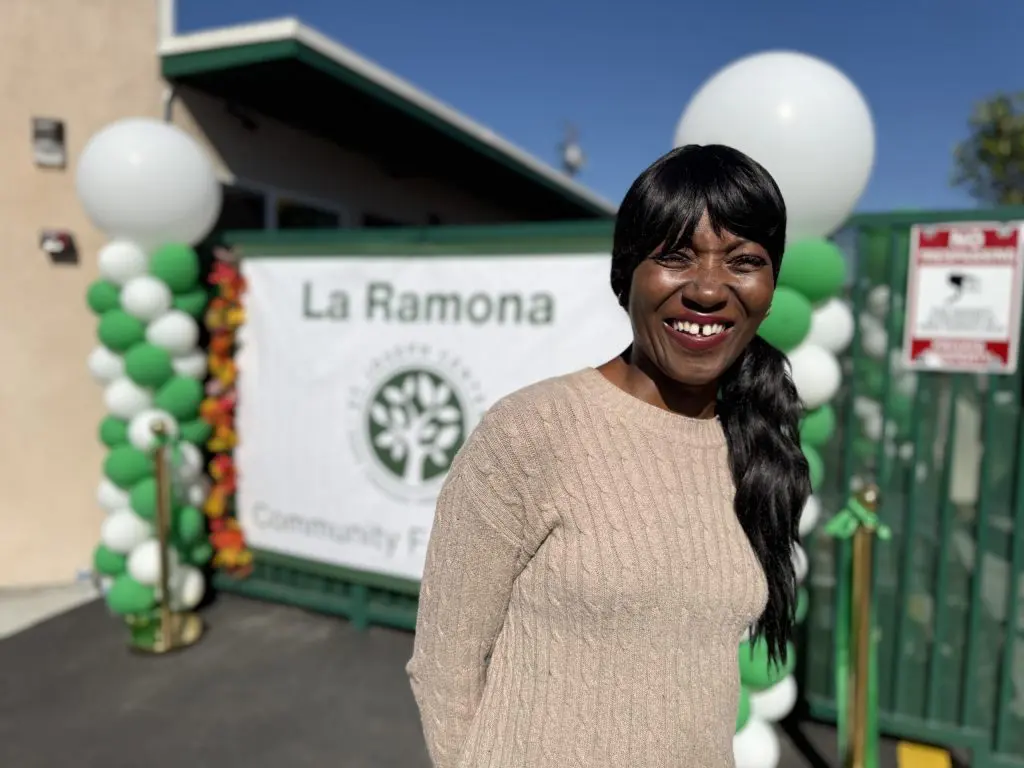
From Hardship to Hope: How Support and Opportunity Helped Cheraya Rebuild Her Life
After experiencing homelessness and living in her car with her young son, Cheraya found the support she needed to rebuild her life. Through St. Joseph Center’s La Ramona Family Housing and Bread & Roses Training Kitchen, she discovered stability, opportunity, and a path toward a stronger future for her family.
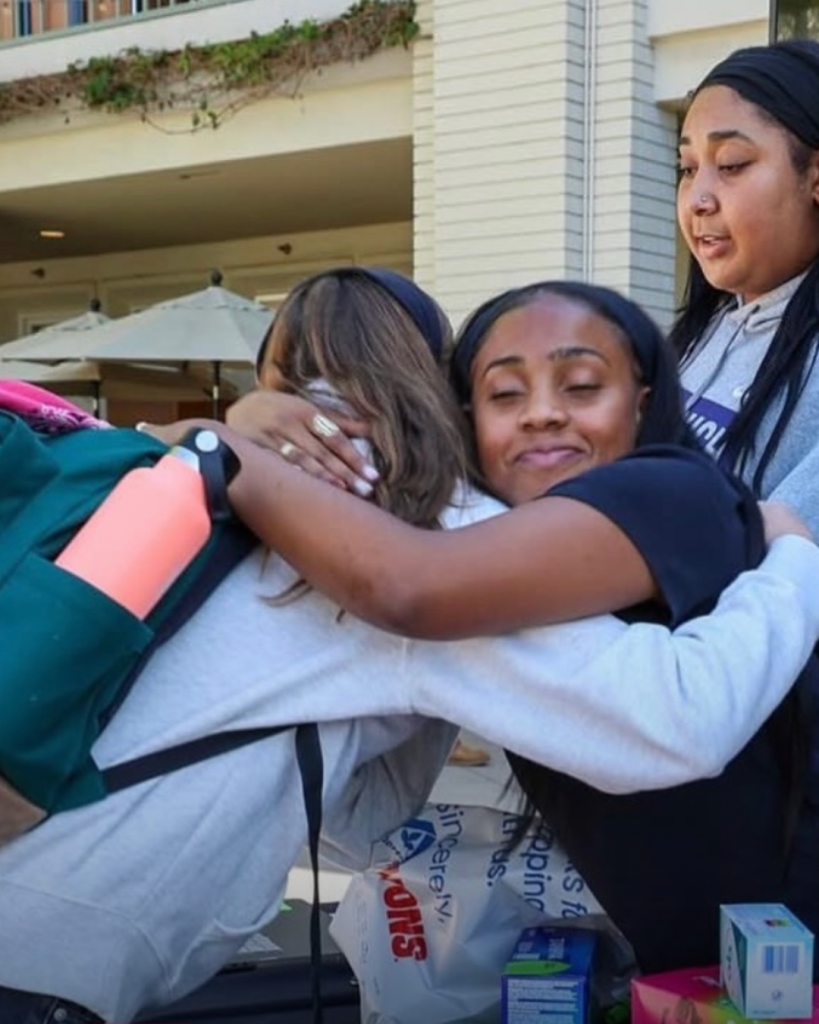
As a high school student and youth volunteer, Amirah interned with The Pocket Panty Project and helped lead a community drive that collected 563 menstrual care products for women and girls in need. Her initiative reminds us that dignity begins with access and that compassion can start at any age.